Shenzhen, China
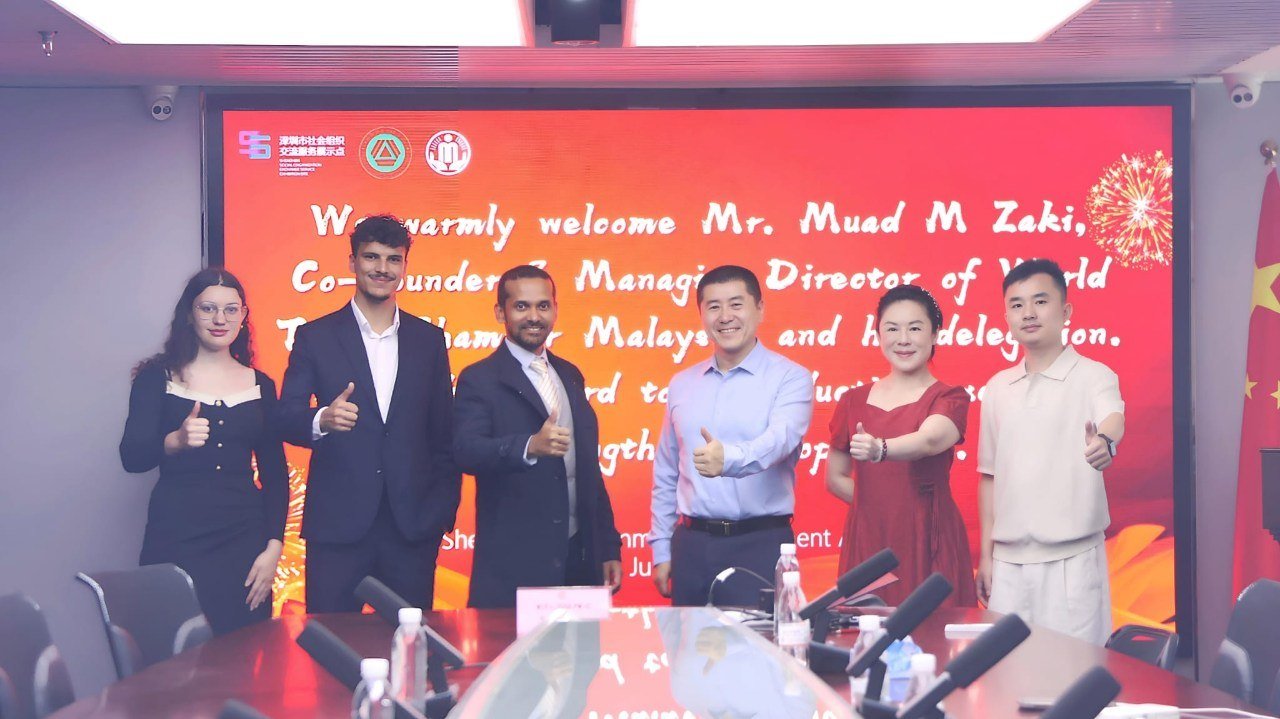
World Trade Chamber Malaysia (WTCM) successfully completed a strategic business and investment engagement visit to Shenzhen from 22 to 24 June 2026, further strengthening practical cooperation between Malaysia and China in investment facilitation, technology partnerships, advanced manufacturing, green development, urban services, infrastructure development, and cross-border supply chain collaboration.
The WTCM delegation was led by Muad Mohamad Zaki, Co-Founder and Managing Director of World Trade Chamber Malaysia, as part of the Chamber’s ongoing efforts to build long-term economic bridges between Malaysia and China, while identifying partnerships that can create shared value for both countries through skills development, employment opportunities, technology exchange, infrastructure improvement, market expansion, and stronger business participation.
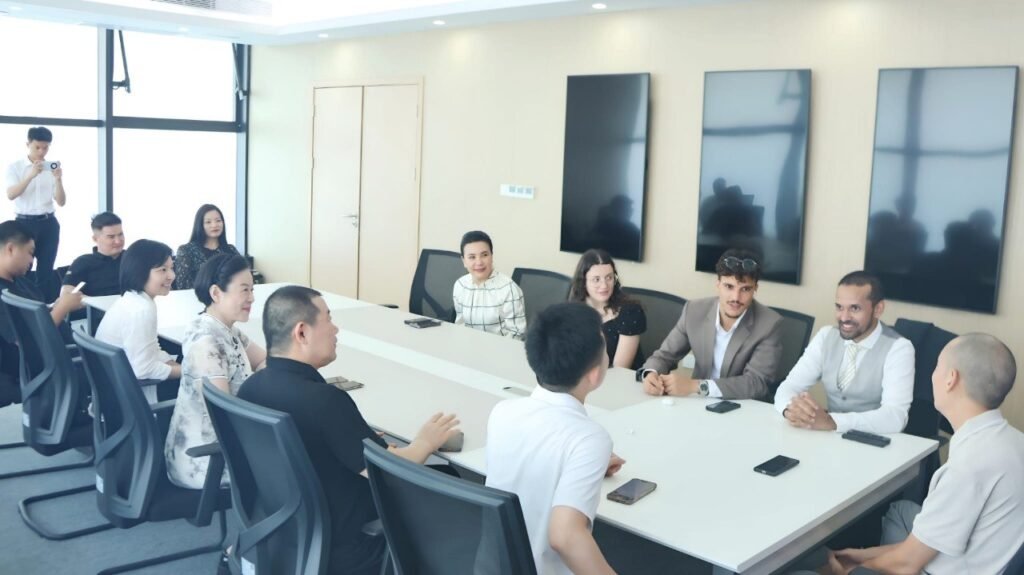
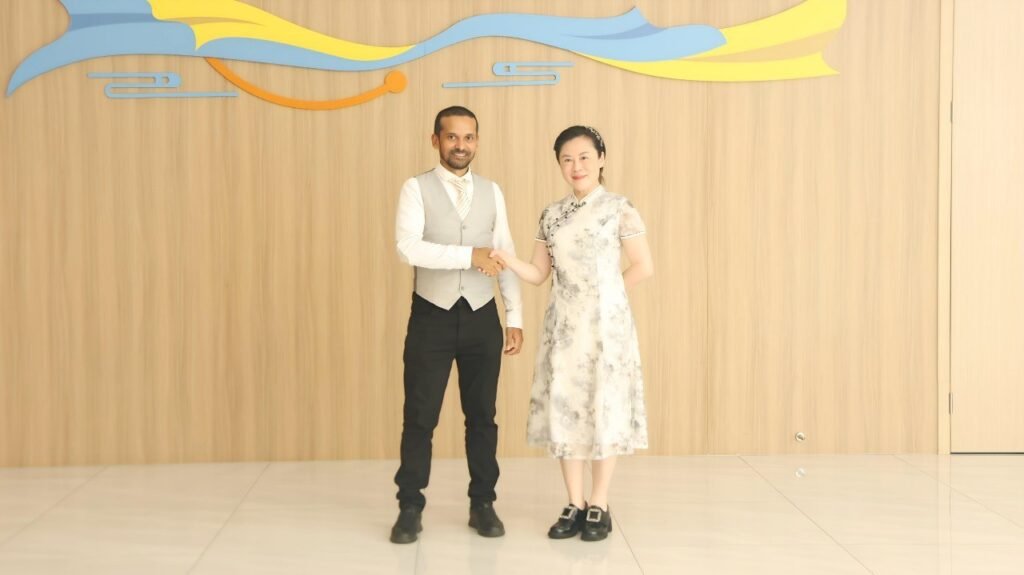
This important visit was hosted and coordinated in Shenzhen with the strong support of the Shenzhen Municipal Government Procurement Association, under the leadership of Feng Qiang, President of the Shenzhen Municipal Government Procurement Association and Chairman of the Industry Overseas Alliance, together with the main teams of the Association and the Industry Overseas Alliance.
WTCM understands that the coordination of this visit was carried out as part of an important effort entrusted to the Shenzhen-side organisers by relevant departments and supported through the broader Malaysia–China engagement channel, including embassy-level cooperation. WTCM expresses its sincere appreciation to President Feng Qiang, the Shenzhen Municipal Government Procurement Association, and the Industry Overseas Alliance for their leadership, professionalism, and hands-on support throughout the visit.
Their role in hosting the WTCM delegation, arranging company engagements, facilitating high-level discussions, and accompanying the delegation throughout the itinerary was central to the success of the mission.
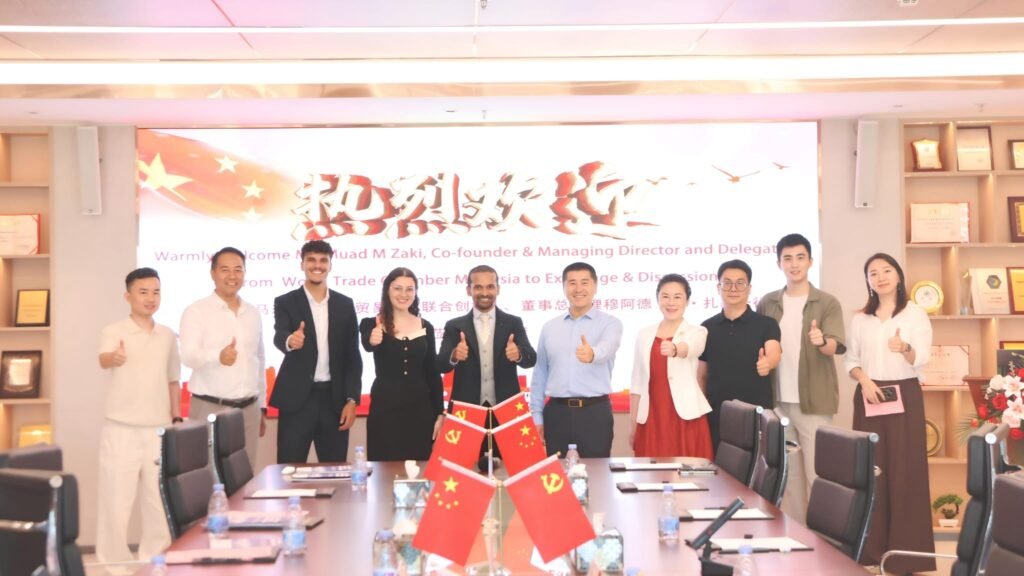
A Win-Win Platform for Malaysia–China Cooperation
The Shenzhen visit focused on several major areas of cooperation, including scientific and technological innovation, intelligent manufacturing, urban services, green and low-carbon development, infrastructure development, and the low-altitude economy.
These sectors are highly relevant to the future development priorities of both Malaysia and China. They reflect a fast-changing global economy shaped by artificial intelligence, automation, green technology, smart cities, advanced infrastructure, new mobility systems, and modern industrial transformation.
For WTCM, Malaysia–China cooperation must be approached as a win-win partnership. Shenzhen brings strong capabilities in technology, innovation, manufacturing, engineering, urban solutions, green development, robotics, infrastructure delivery, and supply chain execution. Malaysia, in turn, offers strong regional positioning, ASEAN market access, local partnership opportunities, industrial land, multilingual talent, established trade connectivity, and long-term growth potential.
The discussions reflected a shared commitment to building cooperation that is commercially practical, mutually respectful, and beneficial to both countries. WTCM believes that Shenzhen’s advanced industries and Malaysia’s development priorities can complement each other in meaningful ways, creating opportunities for industry partners from Shenzhen to expand through strong Malaysian partnerships, while supporting Malaysia’s goals in skills development, employment creation, technology transfer, infrastructure improvement, SME participation, and stronger state-level growth.
This approach allows both sides to benefit. Shenzhen companies can gain a trusted pathway into Malaysia and ASEAN, while Malaysia can gain access to new technologies, training opportunities, industrial know-how, better services, and future-ready industries that support long-term national development.
As WTCM is based in Negeri Sembilan, the Chamber highlighted the state as a priority platform for future cooperation. Negeri Sembilan’s location, proximity to the Klang Valley, access to ports and logistics routes, industrial land availability, and room for long-term development make it a practical and attractive location for companies seeking responsible and mutually beneficial partnerships in Malaysia.
Bringing Negeri Sembilan and Shenzhen Closer
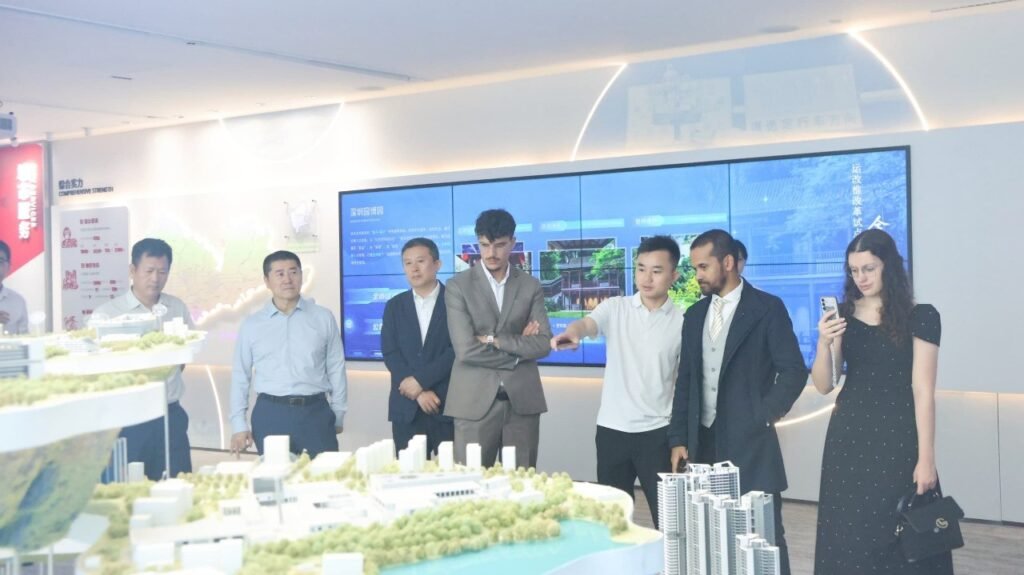
A key outcome of the visit was the shared understanding that WTCM, the Shenzhen Municipal Government Procurement Association, and the Industry Overseas Alliance should work together to bring Negeri Sembilan and Shenzhen closer through practical cooperation in investment, technology, infrastructure, urban services, industrial development, and talent training.
Shenzhen’s widely recognised transformation from a small fishing village and border town into one of the world’s leading hubs for technology, innovation, advanced manufacturing, and modern urban development offers valuable lessons for regions seeking to move confidently into the future.
WTCM believes Negeri Sembilan can benefit from Shenzhen’s experience while developing according to its own local priorities, identity, culture, and strengths. The objective is not to copy another city’s model directly, but to learn from Shenzhen’s journey in building stronger infrastructure, attracting future-focused industries, supporting innovation, improving urban services, and creating an environment where people and businesses can grow.
Through carefully structured Malaysia–China cooperation, Negeri Sembilan can strengthen its role as a future-oriented state by attracting high-value industries, improving infrastructure, supporting urban transformation, creating skilled employment, and introducing technologies that improve daily life for local communities.
At the same time, this cooperation can create new opportunities for Shenzhen’s industries to work with Malaysian partners, understand local needs, adapt solutions for ASEAN markets, and build long-term commercial relationships that benefit businesses, workers, and communities in both countries.
The broader goal is to ensure that the people of Negeri Sembilan can access better opportunities, better services, and a higher quality of life within their own state, while also helping build a stronger Malaysia–China cooperation model that creates value for both sides.
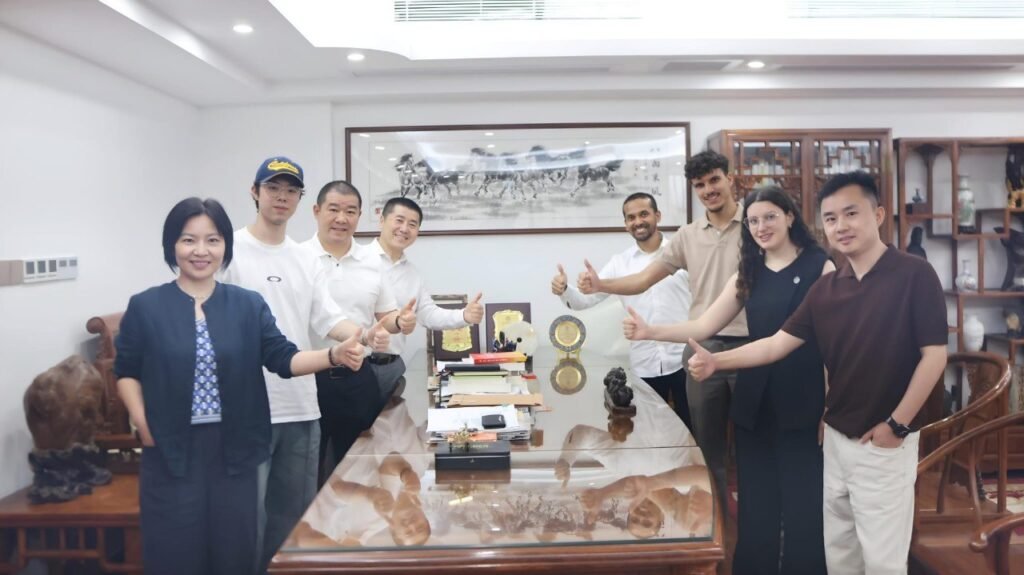
Strengthening Institutional Cooperation with the Shenzhen Municipal Government Procurement Association
During the visit, President Feng Qiang introduced the WTCM delegation to the service system of the Shenzhen Municipal Government Procurement Association and the Industry Overseas Alliance, particularly in supporting Shenzhen companies that are exploring overseas markets and seeking deeper engagement with ASEAN.
The discussions highlighted the strong complementarity between Shenzhen and Malaysia. Shenzhen has developed a globally recognised ecosystem for technological innovation, advanced manufacturing, digital infrastructure, robotics, environmental technology, urban solutions, and supply chain development. Malaysia has its own strengths, including ASEAN connectivity, a stable business environment, a skilled and adaptable workforce, industrial zones, regional trade access, and a strong role as a bridge between Asia and international markets.
Both sides recognised meaningful cooperation potential in areas such as artificial intelligence, high-end manufacturing, digital city development, green energy, smart infrastructure, cross-border logistics, industrial park development, regional market-entry support, and urban transformation.
WTCM views the Shenzhen Municipal Government Procurement Association and the Industry Overseas Alliance as important partners in strengthening Malaysia–China business relations. Through this relationship, WTCM hopes to serve as a practical bridge between both countries, helping industry partners from Shenzhen better understand Malaysia’s market, policy environment, local partnership needs, and investment opportunities, while also helping Malaysian stakeholders connect with advanced technologies, new industries, and cooperation models that can support local development.
This relationship is especially important as WTCM works to bring Negeri Sembilan and Shenzhen closer through practical cooperation in investment, technology, infrastructure, urban transformation, industrial development, public services, and talent training. By strengthening institutional cooperation between WTCM and the Shenzhen Municipal Government Procurement Association, both sides can create a more organised and reliable pathway for future Malaysia–China business engagement.
WTCM also recognises the forward-looking leadership of President Feng Qiang, whose approach reflects a clear understanding that strong business relations between countries can create benefits beyond individual companies. Through his coordination of the visit and his efforts to connect Shenzhen’s advanced industries with international opportunities, President Feng demonstrated a practical vision for cooperation that links technology, investment, industrial development, and people-to-people benefit.
His leadership shows the importance of building partnerships that are commercially meaningful, diplomatically respectful, and capable of supporting skills development, employment opportunities, innovation, business expansion, and long-term friendship between Malaysia and China.
WTCM believes that its partnership with President Feng Qiang, the Shenzhen Municipal Government Procurement Association, and the Industry Overseas Alliance can become an important platform for connecting Shenzhen’s industrial strengths with Malaysia’s development priorities in a way that benefits both sides.
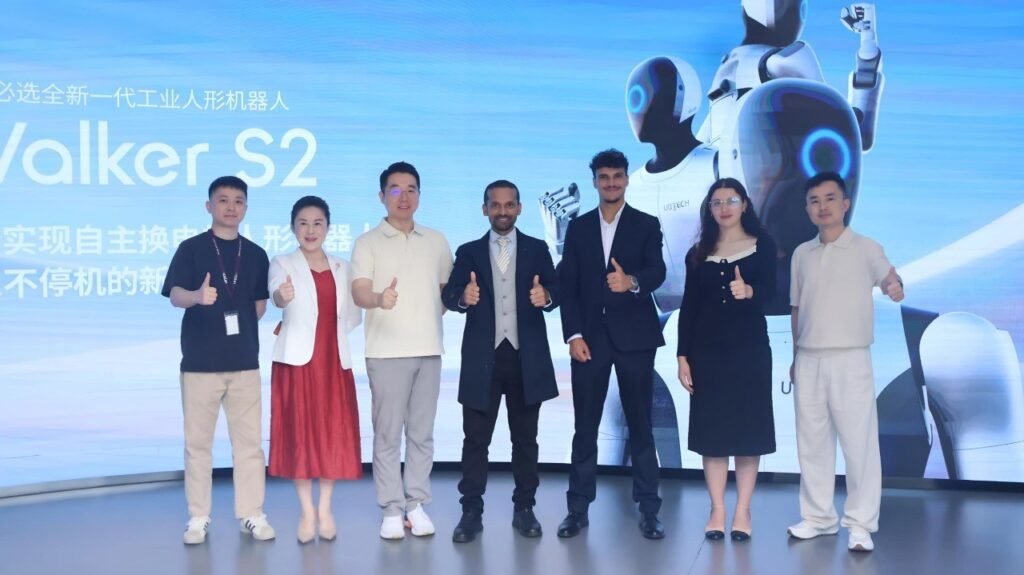
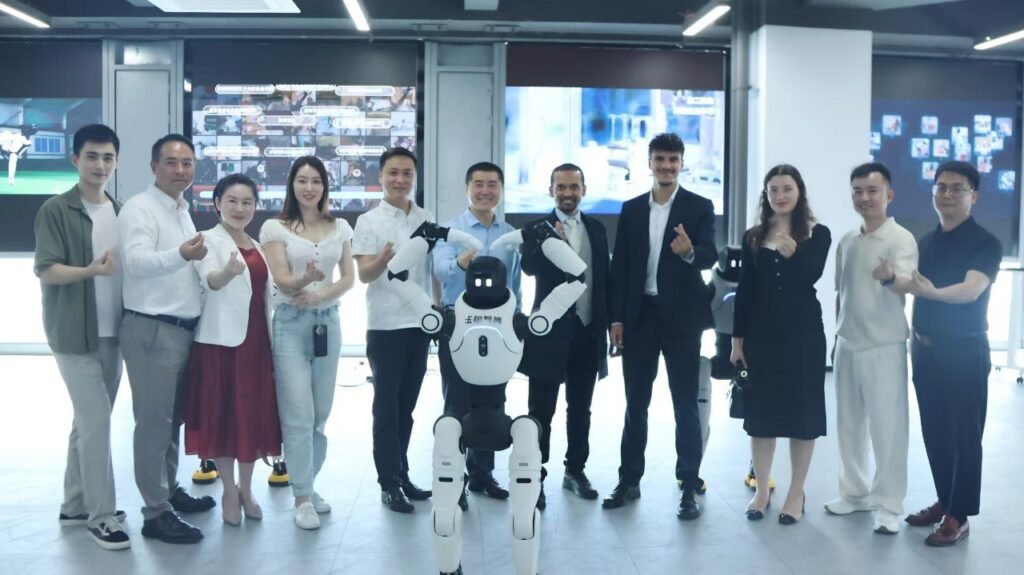
UBTECH Robotics: Exploring Humanoid Robotics and AI-Driven Industrial Solutions
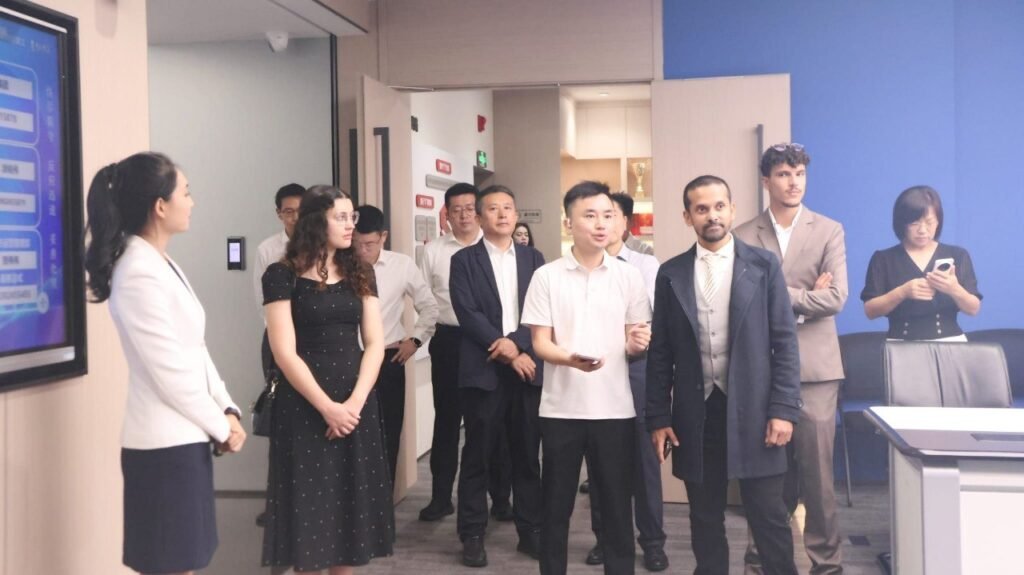
The delegation’s first major stop was UBTECH Robotics, one of Shenzhen’s leading artificial intelligence and humanoid robotics companies.
During the visit, the WTCM delegation toured UBTECH’s humanoid robot exhibition hall and gained a deeper understanding of the company’s research and development capabilities, product ecosystem, commercialisation experience, and international development plans.
Dr. Si Chen, General Manager of UBTECH’s Government Affairs, provided a detailed briefing on the company’s overseas development pathway and the potential application of advanced robotics in international markets.
The discussion focused on Southeast Asia’s growing demand for smart equipment, automation, AI-enabled services, localisation models, technical training, and channel cooperation. WTCM views humanoid robotics and AI-integrated solutions as an important future sector for Malaysia, particularly in areas such as industrial automation, smart services, education, healthcare support, logistics, public facilities, and technical skills development.
For Malaysia, cooperation in this field can support workforce training, local technical capacity-building, after-sales support systems, and opportunities for Malaysian engineers, technicians, universities, training centres, and SMEs to participate in the sector’s growth.
For Shenzhen technology companies, Malaysia offers a practical and well-connected platform to understand ASEAN market needs, build local partnerships, and introduce advanced robotics solutions in sectors where demand for automation and smart services is expected to grow.
In a fast-changing global economy, cooperation in robotics and artificial intelligence can help Malaysians gain exposure to high-tech skills and future industries, while also helping Shenzhen’s innovation companies expand their international reach through trusted local partnerships.
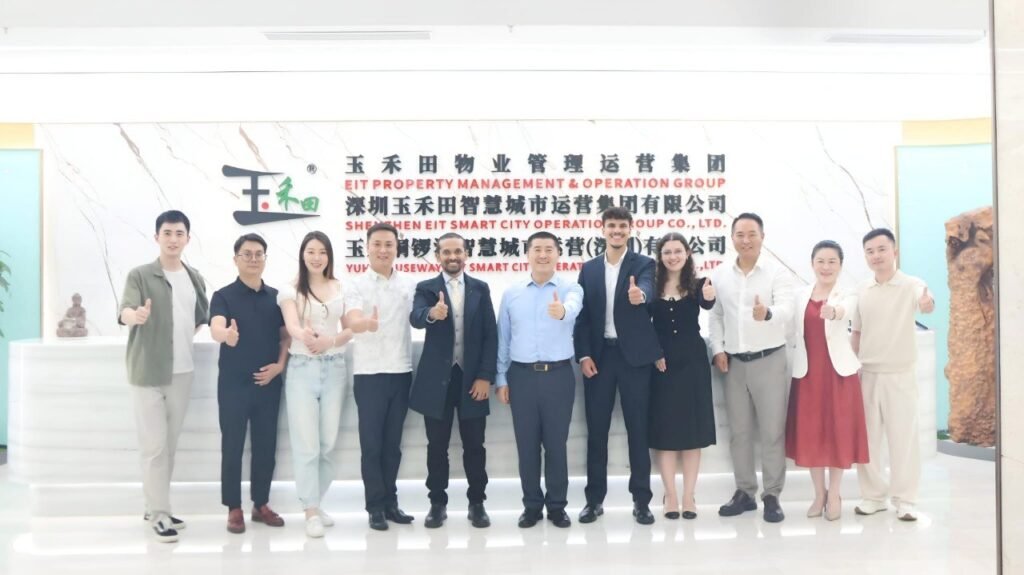
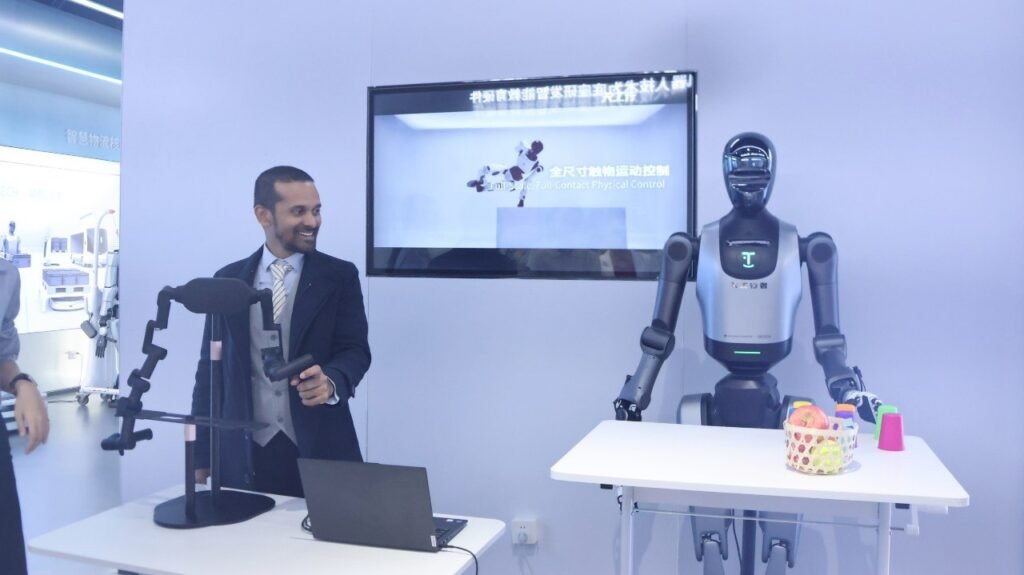
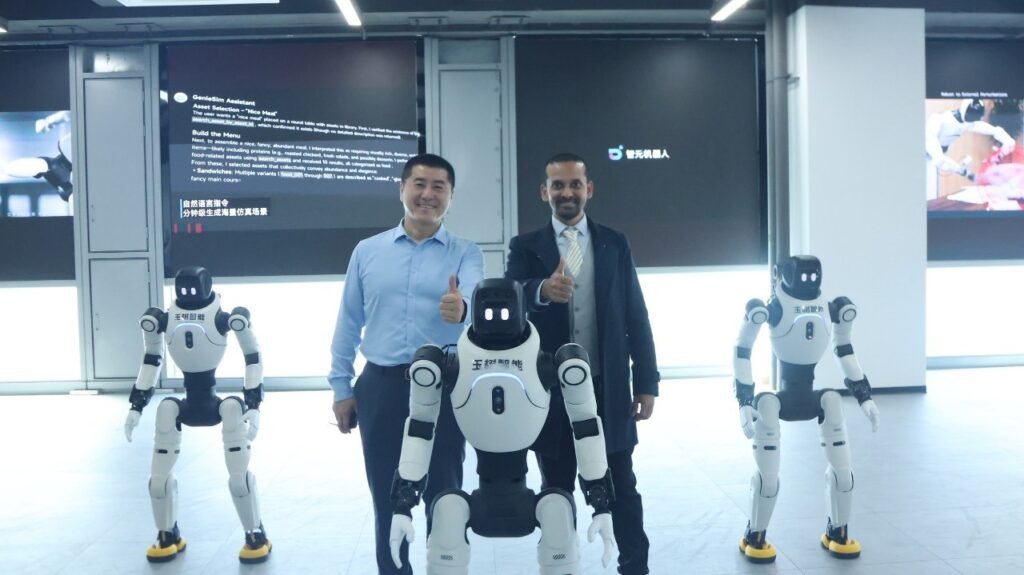
Yuhetian Environmental Development Group: Smart Urban Services and Municipal Innovation
The WTCM delegation also visited Yuhetian Environmental Development Group, where discussions focused on the future of intelligent urban services, smart sanitation systems, digital city operations, smart buildings, service robots, and low-altitude applications.
Group Vice President Luo Peng and Deputy General Manager Chen Zhenxuan shared the company’s experience in delivering comprehensive urban services across China. Through digital management platforms, smart equipment, and integrated operational systems, Yuhetian has developed one-stop solutions covering sanitation services, urban operation and maintenance, property services, and smart city equipment deployment.
For Malaysia, especially fast-growing states such as Negeri Sembilan, such solutions could become relevant as cities and municipalities seek cleaner, more efficient, and technology-enabled public services.
WTCM discussed possible pathways for adapting these solutions to Malaysia’s needs, including public service modernisation, municipal efficiency, smart city management, workforce training, and collaboration with local service providers.
This area of cooperation can support both sides. Malaysian communities can benefit from cleaner environments, improved urban services, stronger local service capabilities, and better living conditions. At the same time, companies with advanced urban service technologies can work with Malaysian partners to adapt proven solutions for local conditions and wider ASEAN opportunities.
For WTCM, smart city and municipal technology should be seen not only as a business opportunity, but also as a practical way to improve the daily lives of local communities while creating new commercial pathways for technology and service providers from Shenzhen.
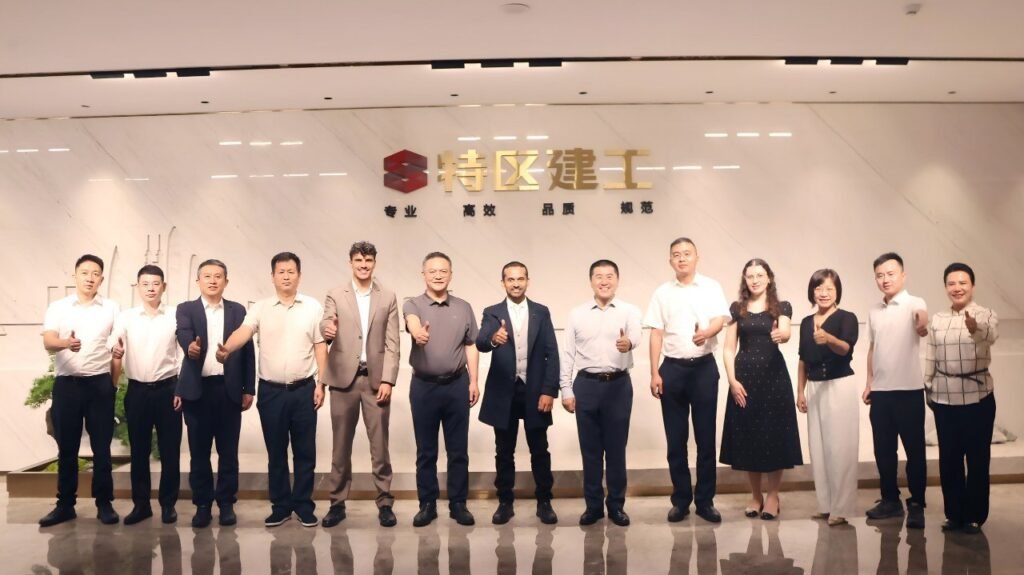
Special Administrative Region Construction Group: Infrastructure, Industrial Parks and Long-Term Development
Another important visit was to the Special Administrative Region Construction Group, where the delegation explored cooperation opportunities in infrastructure development, construction industrialisation, overseas industrial park development, engineering services, and long-term park operations.
Zang Chong, Vice President of the Group, and Huang Hai, Chairman of the Science and Technology Group, introduced the company’s development direction and overseas business layout. The discussions also included the potential for integrated overseas project models combining engineering construction, industrial investment promotion, and long-term operational management.
Wang Changdong, General Manager of the Industrial Development Group, shared insights on cross-border industrial investment cooperation models and how such approaches could support industrial development in new markets.
WTCM sees strong relevance in this area for Malaysia, particularly in relation to industrial park planning, infrastructure enhancement, manufacturing ecosystem development, and the creation of practical platforms for companies entering Malaysia through local partnerships.
The discussions recognised that under the wider wave of ASEAN industrial upgrading, Shenzhen’s infrastructure and industrial operation strengths are highly complementary to Malaysia’s local market resources.
For Negeri Sembilan, this area of cooperation is especially important. Carefully structured industrial infrastructure, improved logistics support, modern facilities, and well-planned industrial zones can help attract better industries, create jobs, support SMEs, and improve the long-term economic competitiveness of the state.
For Shenzhen’s infrastructure and industrial development partners, Malaysia provides a strong regional environment to develop long-term projects, cooperate with local stakeholders, and contribute to the growth of industrial platforms that can serve both domestic and ASEAN markets.
Shenzhen Energy Environmental Protection: Green and Low-Carbon Development
Green development was another major focus of the visit.
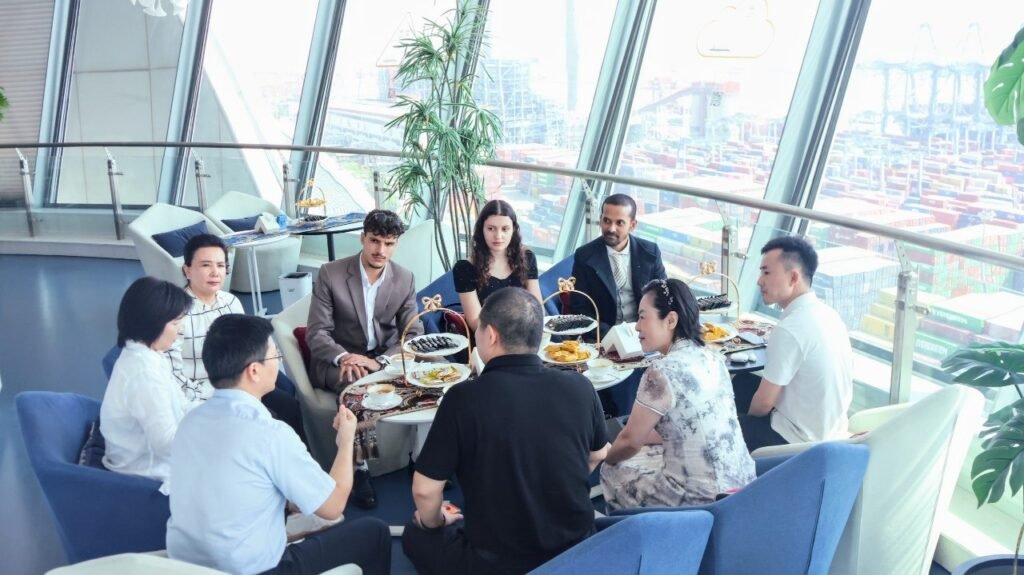
The delegation conducted an on-site study at the Shenzhen Energy Environmental Protection Nanshan Energy Ecological Park, where the team learned about solid waste treatment, waste incineration power generation, environmental protection systems, and the integration of ecological education with energy infrastructure.
The visit provided WTCM with a deeper understanding of how modern waste-to-energy ecosystems can contribute to cleaner urban development, renewable energy generation, sustainable waste management, and better environmental outcomes.
Malaysia faces growing demand for modern waste management, cleaner energy solutions, and sustainable urban development. WTCM believes that well-designed environmental technology partnerships can support Malaysia’s green transition while creating technical jobs, training programmes, and local engineering opportunities.
This sector also offers meaningful opportunities for Shenzhen’s environmental technology providers to work with Malaysian partners, adapt proven solutions to local requirements, and contribute to shared green development goals between both countries.
The goal is to introduce cooperation models that support cleaner cities, stronger environmental outcomes, technology exchange, local capacity-building, and long-term sustainability for communities and businesses on both sides.
Bao’an Low-Altitude Economic Industrial Park: Exploring Drones and Advanced Air Mobility
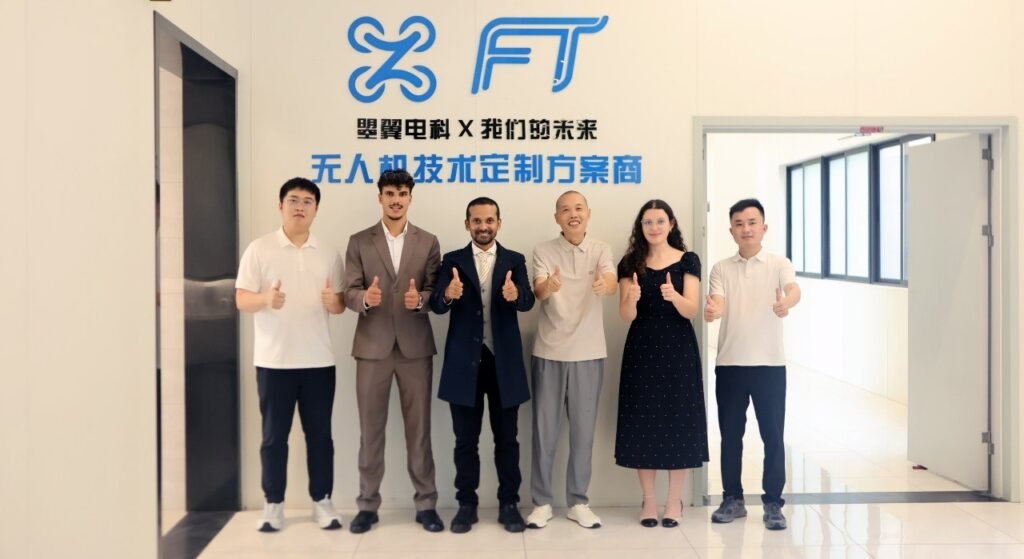
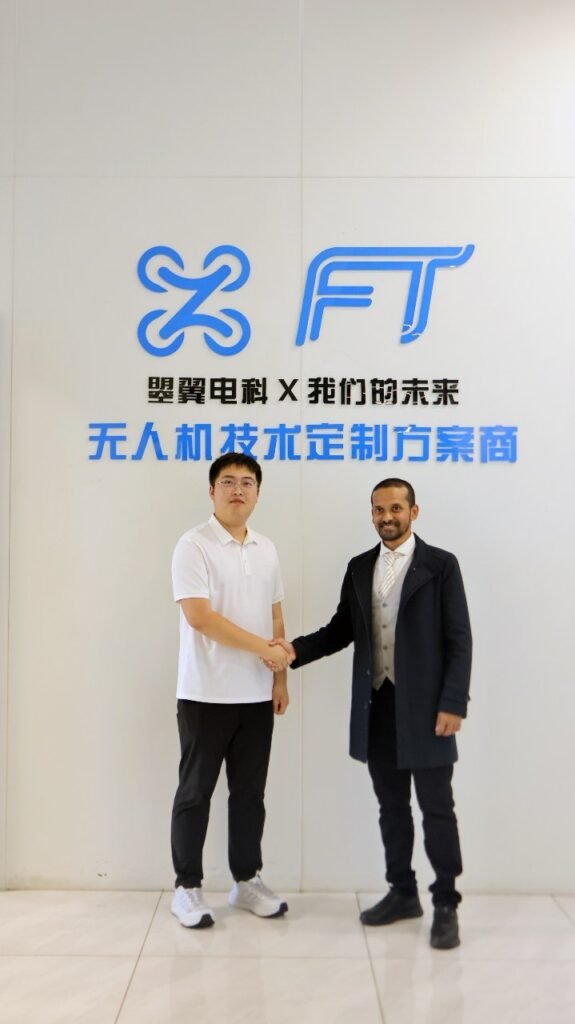
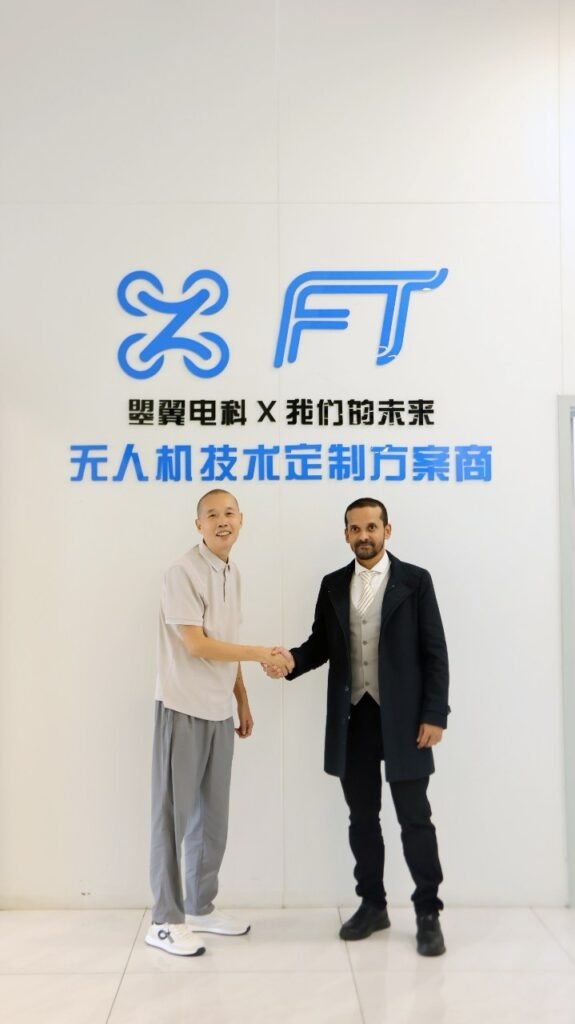
The WTCM delegation also visited the Bao’an Low-Altitude Economic Industrial Park, where the team engaged with drone and low-altitude economy companies involved in practical applications such as security inspection, logistics distribution, urban mapping, emergency response, surveillance, infrastructure inspection, and future mobility services.
The low-altitude economy is emerging as one of Shenzhen’s new growth sectors. It creates opportunities not only in drone manufacturing, but also in software systems, airspace management, operations, training, maintenance, logistics, data services, and regulatory development.
For Malaysia, this sector could become relevant in areas such as plantation monitoring, coastal surveillance, logistics support, disaster response, infrastructure inspection, smart city management, and future advanced air mobility systems, including electric vertical take-off and landing technologies.
For Shenzhen’s low-altitude economy companies, Malaysia offers diverse real-world applications across agriculture, logistics, urban management, coastal areas, industrial zones, and emergency response. This creates room for practical cooperation that can support both market expansion and local problem-solving.
WTCM views this as a long-term opportunity that can create new technical career pathways for Malaysians while supporting Shenzhen companies in exploring responsible and practical applications of low-altitude technologies in ASEAN.
As with all sectors discussed during the visit, WTCM’s focus is to promote cooperation that creates value for Malaysian workers, local businesses, communities, and Shenzhen’s industry partners through practical implementation and long-term collaboration.
WTCM’s Malaysia–China Cooperation Objective
Throughout the Shenzhen visit, WTCM’s message remained consistent: international cooperation should be commercially practical, balanced, mutually beneficial, and connected to real development outcomes.
Industry partners from Shenzhen bring strong capabilities in technology, manufacturing, engineering, urban systems, green development, infrastructure, and supply chain execution. Malaysia offers strong regional access, local partnership opportunities, industrial development potential, and a growing need for future-ready solutions.
For WTCM, the priority is to support cooperation that benefits both sides through:
- Skills training and technical exposure for Malaysians
- Market access and local partnership opportunities for Shenzhen companies
- Technology and knowledge exchange
- High-value job creation and business expansion
- Local supplier and SME participation
- Better infrastructure and improved public services
- Urban transformation and improved living conditions
- Industrial ecosystem development
- Stronger commercial links between Malaysia and China
- Long-term growth opportunities across ASEAN
Negeri Sembilan remains a priority focus for WTCM due to the Chamber’s presence in the state and its strong potential as a practical base for new investment, manufacturing, technology deployment, infrastructure improvement, and ASEAN market access.
WTCM believes Malaysia can play a more active role as a partner in shaping projects that support national development, create opportunities for Malaysians, and provide international partners with a reliable platform for regional growth.
Appreciation to President Feng Qiang and the Partner Teams
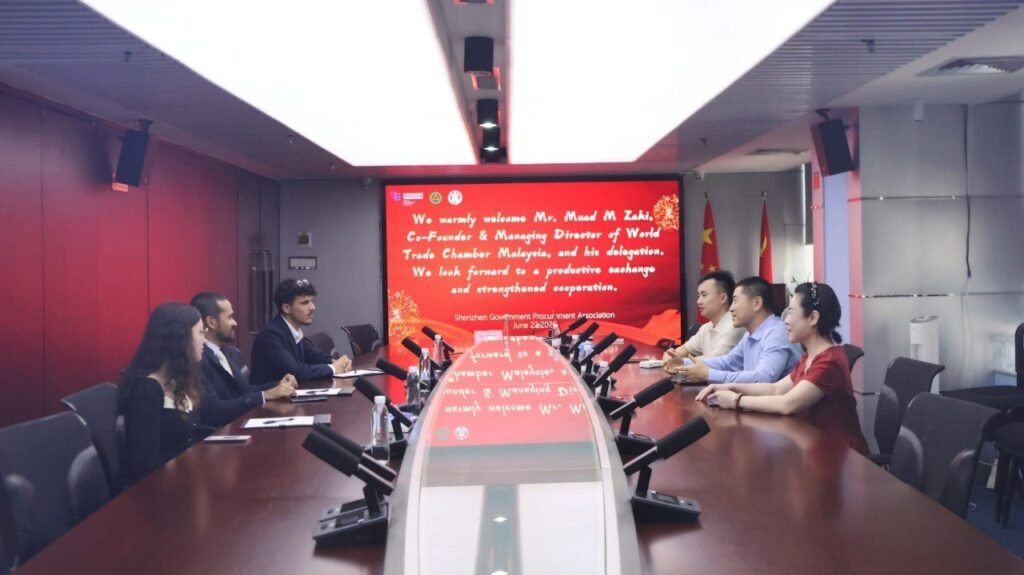
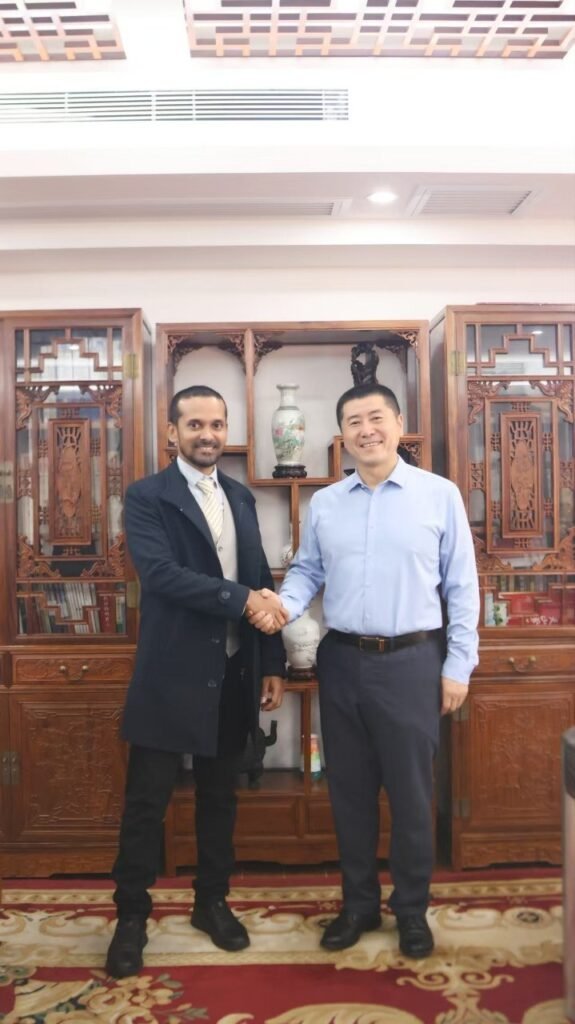
WTCM places special importance on the role of Feng Qiang, President of the Shenzhen Municipal Government Procurement Association and Chairman of the Industry Overseas Alliance, whose leadership helped make the Shenzhen visit productive, well-structured, and meaningful.
The Shenzhen Municipal Government Procurement Association and the Industry Overseas Alliance provided important support in hosting the WTCM delegation, arranging company visits, facilitating introductions, coordinating discussions, and ensuring that WTCM could engage directly with key players across multiple advanced industries.
Their support allowed the WTCM delegation to better understand Shenzhen’s industrial strengths and explore practical areas where Malaysia and China can build long-term cooperation.
WTCM regards President Feng Qiang, the Shenzhen Municipal Government Procurement Association, and the Industry Overseas Alliance as valued strategic partners in advancing practical Malaysia–China economic cooperation. Moving forward, WTCM looks forward to working closely with them to build a stronger bridge between both countries, connecting Shenzhen’s advanced industries with Malaysia’s development priorities in a way that is commercially meaningful, diplomatically respectful, and beneficial to businesses, workers, and communities on both sides.
This level of coordination reflects a shared commitment to building serious, respectful, and mutually beneficial cooperation between Malaysia and China.
WTCM looks forward to deepening its partnership with President Feng Qiang, the Shenzhen Municipal Government Procurement Association, the Industry Overseas Alliance, and the companies engaged during the visit.
Moving Forward
Following the successful Shenzhen engagement, WTCM will continue technical follow-up discussions with the relevant companies and partners to explore practical cooperation pathways into Malaysia.
The Chamber will focus on identifying collaboration models that are realistic, commercially viable, beneficial to both sides, and aligned with Malaysia–China cooperation priorities.
Muad Mohamad Zaki, Co-Founder and Managing Director of WTCM, said the visit to Shenzhen was highly productive and opened a valuable new chapter in Malaysia–China business cooperation.
“WTCM sees strong potential to deepen Malaysia–China cooperation in investment, technology, innovation, supply chain collaboration, infrastructure development, urban transformation, and industrial growth.
Our focus is to support partnerships that create shared value for Malaysia and China through skills development, employment opportunities, technology exchange, improved infrastructure, better living conditions, business expansion, and opportunities for local companies. We are especially grateful to President Feng Qiang, the Shenzhen Municipal Government Procurement Association, and the Industry Overseas Alliance for their strong support, coordination, and partnership throughout this visit.”
The Shenzhen visit marks another important step in WTCM’s broader mission to connect Malaysia with serious international partners, promote Negeri Sembilan as a priority destination for responsible investment and future-focused cooperation, and support long-term economic growth through practical Malaysia–China collaboration.